Get peace of mind with homeowners insurance designed for Loveland, CO residents: dependable, personalized, and worry-free.
“Safe house, Great Service, Saved a Grand”
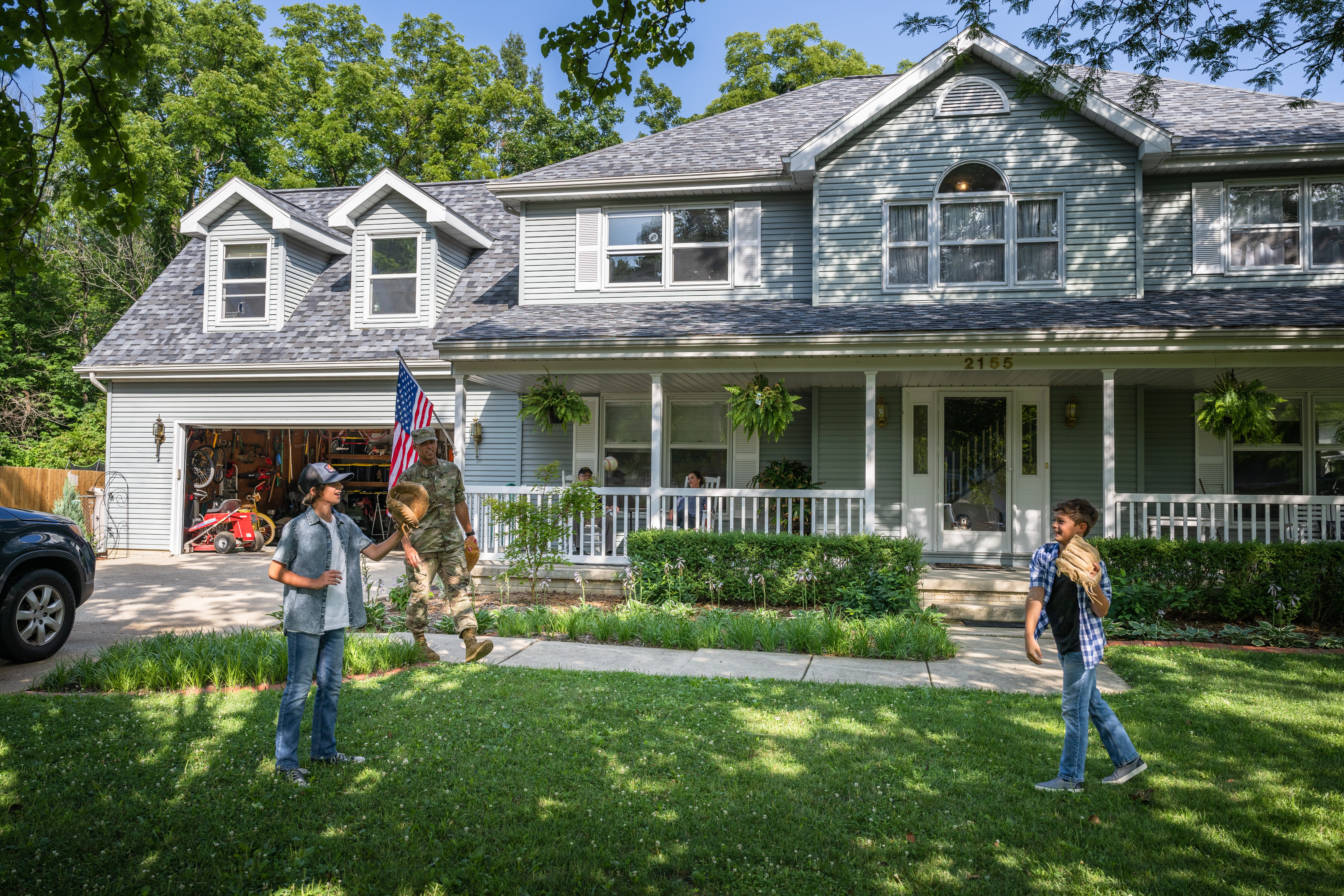
Loveland is one of Northern Colorado’s most appealing communities—known for its strong neighborhoods, scenic beauty, growing amenities, and quality of life for families, professionals, and long-term homeowners. From established residential areas and newer developments to custom homes on larger lots and properties with foothill views, homeowners in Loveland have made meaningful investments that deserve thoughtful, long-term protection. A home in Loveland is more than just a place to live—it is an important financial asset and often a central part of a lifestyle built around comfort, community, and access to the outdoors.
Loveland features a wide variety of home styles, including single-family homes, townhomes, ranch-style properties, newer subdivisions, custom-built homes, and homes with finished basements, outdoor living areas, or detached garages and shops. Because of this variety—and the unique features found across different properties—standard homeowners insurance policies may not always provide enough protection. Replacement costs, finished lower levels, fences, landscaping, upgraded interiors, and specialty features should all be carefully reviewed to make sure coverage accurately reflects the property.
A comprehensive approach to homeowners insurance in Loveland starts with a detailed property assessment. Important considerations include construction type, roofing materials, square footage, lot size, location, and the age and condition of major systems. Loveland homeowners also face Colorado-specific risks such as hail, wind, wildfire exposure in some areas, winter storms, freezing temperatures, heavy snow, and water damage related to plumbing failures or drainage issues. These factors can all play an important role when evaluating long-term risk and coverage needs.
With its four-season climate and location along the Front Range, Loveland experiences weather conditions that can place stress on homes throughout the year. Spring and summer can bring hailstorms, wind, and fast-changing weather, while fall and winter may introduce freezing temperatures, snow, and ice. Seasonal changes can also create concerns related to roof wear, runoff, drainage, and temperature-related strain on home systems. Homes near open space, on larger lots, or in areas closer to foothill terrain may face added considerations tied to wind exposure, lot grading, and defensible space. Building coverage around these realities helps protect both the structure itself and the long-term financial stability of the homeowner.
Serving Loveland homeowners requires an understanding of local property characteristics, seasonal weather patterns, and the practical risks that come with owning a home in Northern Colorado. With careful planning and a well-structured insurance strategy, homeowners can better protect their investment and enjoy greater peace of mind in every season.
 Understanding Loveland’s Unique Housing Market
Loveland homeowners face many of the same insurance and rebuilding challenges seen across Northern Colorado, including changing property values, rising construction costs, updated building standards, and shifting market conditions. As Loveland continues to grow and attract new residents, understanding how these factors affect your home’s replacement cost is important for keeping homeowners insurance coverage accurate and up to date.
Property values in Loveland are influenced by the city’s appeal to families, professionals, retirees, and outdoor enthusiasts looking for a strong sense of community, scenic surroundings, and convenient access to nearby cities and recreational areas. Popular features such as parks, trails, open space, lakes, shopping, arts and culture, and views of the surrounding foothills all add to Loveland’s desirability. As labor and material costs continue to change, some homeowners may find that their current coverage limits no longer reflect the true cost to rebuild, especially if their policy is based on older valuations or original purchase prices.
Loveland includes a wide range of property types, from established neighborhoods and historic homes to newer developments, custom homes, luxury properties, and homes on larger lots. These differences can have a major impact on rebuilding costs and insurance needs. Older homes may require more specialized consideration because of aging systems or outdated construction materials, while newer homes may include upgraded finishes, larger floorplans, finished basements, covered patios, outdoor living spaces, smart home features, or other additions that raise replacement value.
As a community made up of long-time residents, growing families, and homeowners with higher-value or custom properties, many Loveland homes also include features such as detached garages, fencing, landscaping upgrades, retaining walls, sheds, and other exterior improvements that should be considered beyond basic dwelling coverage. Some properties may also have workshops, barns, extended driveways, sprinkler systems, finished outdoor spaces, or decorative hardscaping that can affect insurance needs.
Ongoing growth, strong housing demand, and changing economic conditions in Larimer County can also influence property values and rebuilding costs. At the same time, updated building codes, contractor demand, and rising prices for labor and materials can cause replacement costs to increase faster than many homeowners expect. Regular insurance reviews can help ensure your coverage keeps pace with appreciation and current local construction expenses.
Because many Loveland properties include detached structures, fences, patios, sheds, retaining walls, and other accessory features, it is important to review whether those elements are adequately covered. A thorough insurance evaluation should account for all structures and improvements on the property so coverage is more accurate and better aligned with the home’s actual layout and use.
Weather-Related Risks in Loveland
Loveland’s climate brings several seasonal and weather-related risks that homeowners should consider when reviewing insurance coverage.
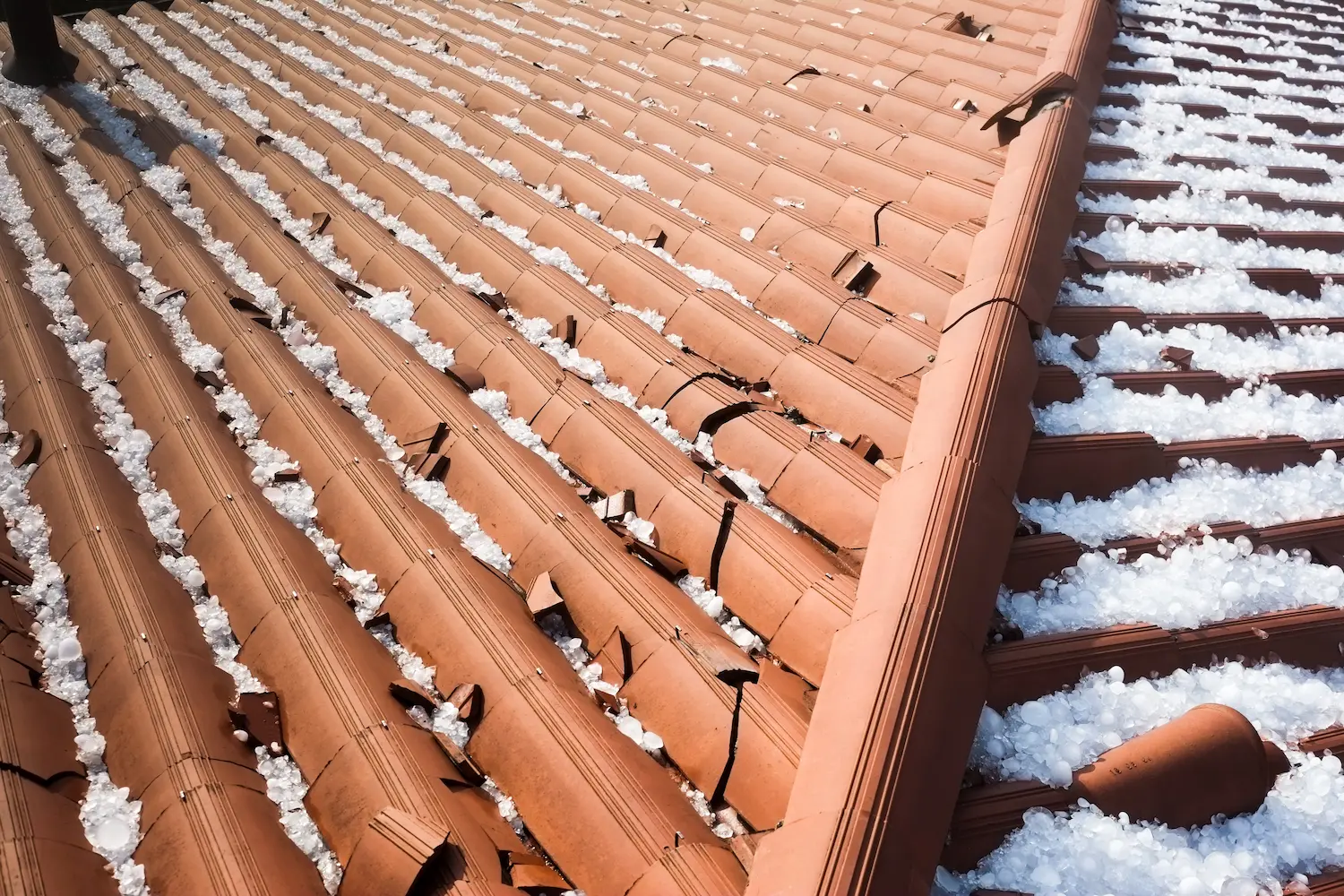
Wind and hail can affect homes throughout the area and may damage roofing, siding, windows, gutters, fences, and other exterior features. Adequate dwelling coverage is important when severe weather impacts structural materials and outdoor improvements.
Heavy snow and ice are common concerns during the winter months and can lead to roof stress, ice dams, slippery walkways, and frozen exterior components. Snow accumulation and ice buildup can create costly repair needs if damage occurs.
Freezing temperatures can cause frozen pipes, plumbing breaks, and water damage, especially during sudden cold snaps or extended winter weather.
Wildfire risk may be a concern for homes near open space, grassland areas, or areas closer to the foothills and less densely developed parts of the region. Even if flames do not directly reach a property, smoke damage, ember exposure, and evacuation-related losses may still be important considerations.
Heavy rain and localized flooding can create drainage issues, erosion, and water intrusion, especially for homes near low-lying areas, drainage paths, or with grading concerns. Standard homeowners insurance typically does not cover flood damage, so it may be worth reviewing whether separate flood insurance is appropriate.
Expansive soils and shifting ground conditions can be important considerations in parts of Loveland and the surrounding area. Soil movement can affect foundations, driveways, patios, retaining walls, and other exterior surfaces over time.
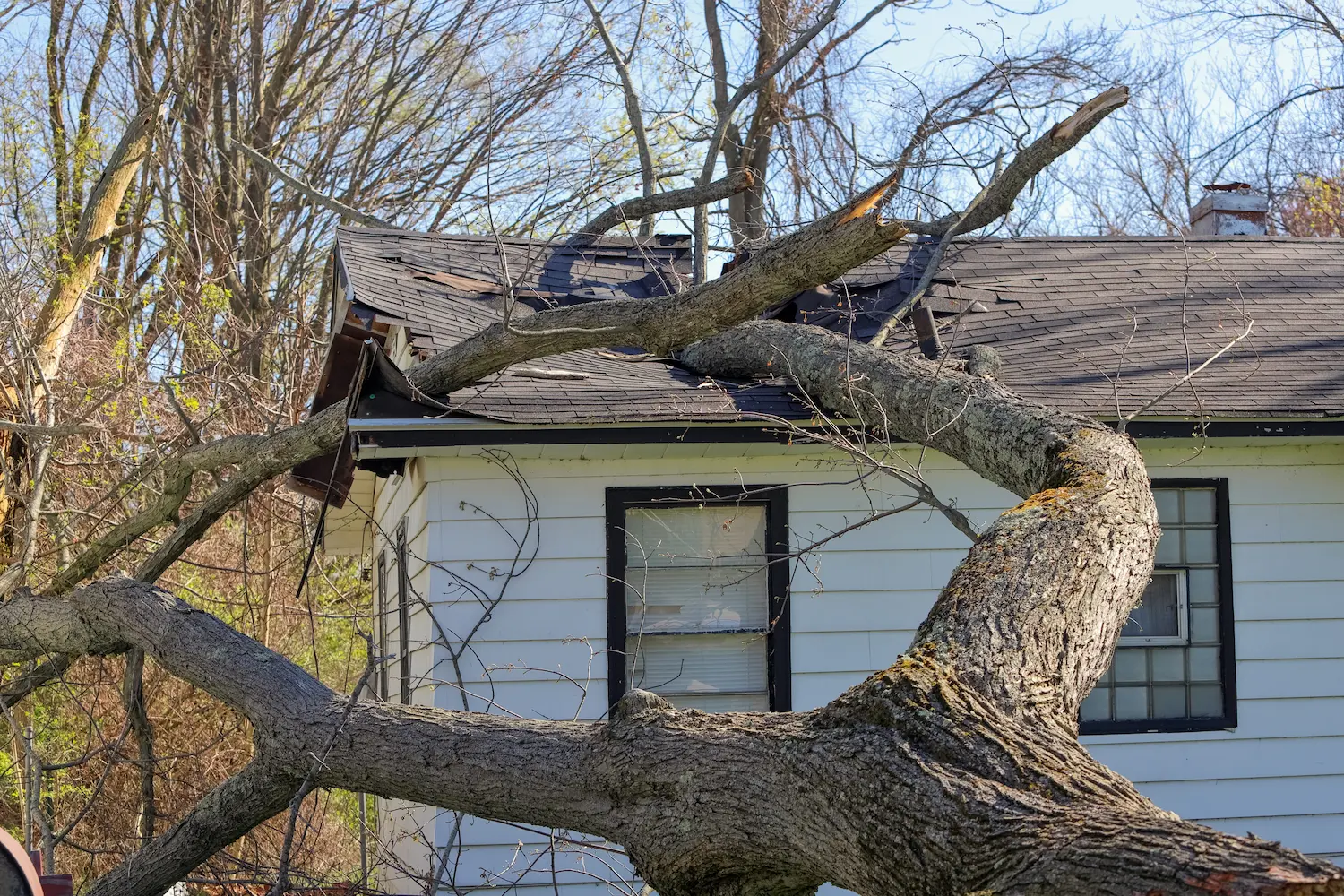
Falling trees or branches during snowstorms, wind events, or severe weather can also pose a risk to roofs, vehicles, fences, detached garages, and other structures.
Intense sun and seasonal temperature swings can gradually wear down roofing materials, paint, sealants, and other exterior surfaces over time, especially with Colorado’s changing weather patterns throughout the year.
Understanding these local risks helps Loveland homeowners choose insurance coverage that reflects both the area’s value and its environmental conditions. With changing property values, rising rebuilding costs, and year-round weather concerns, regular policy reviews can help ensure your protection stays aligned with the real cost of owning and rebuilding a home in Loveland.
Homeowners insurance in Loveland is built around core coverage components designed to protect your home, your belongings, and your long-term financial security. Understanding how each part of your policy works can help ensure your coverage matches your property, your lifestyle, and the specific risks that come with owning a home in this part of Northern Colorado.
Loveland homeowners may face a mix of hail, wind, wildfire concerns in nearby foothill and open-space areas, freezing winter temperatures, burst pipes, water damage, liability risks, and rising rebuild costs. Larimer County also has a long history of severe weather, flooding, and wildfire-related disaster exposure, which makes local insurance planning especially important.
Loveland includes a wide range of property types, from established neighborhoods and newer developments to custom homes, townhomes, acreage properties, luxury homes, and investment properties. That variety creates different insurance needs depending on a home’s age, construction materials, roof type, heating systems, occupancy patterns, and proximity to open land, drainage areas, or foothill-adjacent wildfire zones. Homes used seasonally, as second homes, or as rental properties may also need additional insurance considerations beyond a standard owner-occupied policy.
Dwelling coverage helps protect the physical structure of your home, including attached garages, patios, decks, and built-in features.
In Loveland, rebuilding costs can be affected by:
In an area like Loveland, the cost to rebuild can be significantly influenced by labor availability, material pricing, regional construction demand, and the type of finishes used in the home. Because of these local conditions, it is important that dwelling coverage reflects true replacement cost, not market value. The real estate value of your home is not the same as the cost to fully rebuild it after a covered loss.
Personal property coverage helps protect the items inside your home, including furniture, electronics, clothing, appliances, and other valuables.
Loveland homeowners may have higher-value personal property such as:
A strong policy review should include:
Underinsuring personal property is common, especially when homeowners rely on rough estimates instead of reviewing what they actually own. A policy should reflect the real value of your belongings, not just a general assumption.
Liability coverage helps protect you financially if someone is injured on your property or if you accidentally cause damage to someone else’s property.
Loveland homeowners may want to consider higher liability limits if they:
Liability protection can be especially important in Loveland, where outdoor living spaces, larger lots, hobby properties, and recreational features may increase the chances of injury claims or guest-related incidents. In some cases, an umbrella policy may also be worth reviewing.
If your home becomes temporarily unlivable after a covered loss, Additional Living Expenses coverage can help pay for:
This coverage can be especially helpful after fire damage, water damage, burst pipes, hail damage, wind damage, or other covered events that leave your home unsafe or unusable during repairs. In Loveland, housing costs and availability can make this coverage especially important during a longer restoration period.
Medical payments coverage can help pay for smaller medical expenses if a guest is injured on your property, regardless of fault. This type of coverage may help resolve minor incidents quickly before they become more serious liability claims.
If you rent part of your home, own an investment property, or rely on seasonal or long-term rental income, loss of use or rental income coverage may help protect you if the property becomes uninhabitable because of a covered loss.
This can be especially valuable for Loveland-area property owners with:
As Loveland continues to grow, interruptions to rental income can create a meaningful financial impact for property owners.
Living in Loveland often calls for additional insurance considerations beyond a standard homeowners policy.
Loveland can experience severe hailstorms, strong winds, and fast-moving Front Range weather changes that may damage roofing, siding, windows, fencing, and outdoor structures. Larimer County emergency guidance specifically identifies thunderstorms, hail, and high winds as major local hazards.
Homeowners should review policy language carefully and make sure coverage is strong enough to address storm-related risks common in Northern Colorado.
Loveland’s winter temperatures can create real insurance risks during colder months. Pipes in crawlspaces, garages, exterior walls, basements, and vacant or seasonally occupied homes may be especially vulnerable. Burst pipe claims can result in major interior water damage if not discovered quickly.
Wildfire risk is an important consideration in and around Loveland, especially for homes near open space, brush, the western edge of the city, or foothill-adjacent areas. Larimer County maintains wildfire hazard mapping and identifies wildfire as one of the county’s major recurring hazards.
Reviewing wildfire exposure and confirming adequate dwelling limits is an important part of policy planning.
Loveland homeowners should also think carefully about flood exposure and water backup coverage. Larimer County has experienced destructive flooding along river systems, and Northern Colorado flood history remains a major part of local risk planning. Standard homeowners insurance typically does not cover flood damage, while water backup coverage may help with damage caused by backed-up drains, sewer lines, or sump-related failures.
This can be especially useful in homes with:
Homeowners are often responsible for underground service lines on their property, including:
Aging infrastructure, soil conditions, tree roots, and temperature swings can all contribute to service line problems. This coverage can be valuable for homes with longer utility runs or older systems.
Equipment breakdown coverage can help protect important systems and appliances such as:
This can be especially useful in Loveland, where dependable heating and cooling systems are important for both comfort and property protection throughout the year.
If an older home or outdated property is damaged, rebuilding may require compliance with updated building codes. Ordinance or law coverage can help pay for those added costs. This can be especially important for older Loveland homes or properties that may not meet current code requirements.
Some Loveland properties are not occupied full time. Homes used as rental properties, second homes, or part-time residences may need specialized policy language or endorsements. Coverage should reflect how the property is actually used, since owner-occupied, part-time occupied, and income-producing homes often carry different risk profiles.
Construction and repair costs can rise over time, especially as labor and materials fluctuate. Inflation guard coverage helps automatically adjust your dwelling limits so your policy can better keep pace with rising rebuild costs.
Understanding the claims process can help homeowners respond quickly after damage occurs.
If your Loveland home experiences hail damage, wind damage, a burst pipe, fire loss, water intrusion, or other property damage, taking quick action can help prevent further problems.
Important first steps usually include:
Accurate documentation matters, especially for:
A detailed evaluation can make a major difference in how a claim is handled and whether all covered damage is properly accounted for.
Strong homeowners insurance is about more than simply carrying a policy. It is about building coverage around the real risks your property faces.
In Loveland, those risks may include:
Working with someone who understands Loveland’s housing stock, climate, storm patterns, flood history, and rebuild challenges can help homeowners make more informed coverage decisions.
No two Loveland homes are exactly alike. Coverage should reflect the actual characteristics of the property.
Important considerations may include:
A well-built insurance plan should match real conditions on the ground rather than relying on a one-size-fits-all template.
Quality homeowners insurance can help protect against:
For most homeowners, the goal is not just meeting a lender requirement. It is protecting the value of the home, preserving financial stability, and reducing stress when something goes wrong.
Discuss your home, priorities, and budget.
Review replacement cost, roof condition, storm exposure, flood considerations, wildfire exposure where applicable, occupancy patterns, and any unique property features.
Compare policy options side by side and review deductibles, exclusions, endorsements, and coverage limits.
Finalize paperwork and activate coverage.
Review the policy regularly and adjust coverage as your property, occupancy use, or insurance needs change.
Your home in Loveland is one of your most important investments. Protecting it starts with homeowners insurance that reflects the realities of living in Northern Colorado.
From hail and wind to burst pipes, wildfire concerns, flood-related considerations, rental use, and rising rebuild costs, Loveland homeowners benefit from coverage built around local conditions—not generic assumptions. The right policy can provide clarity, confidence, and meaningful protection when it matters most.
Because the real question is not whether homeowners insurance is important—it is whether your current coverage is truly built for your home, your risks, and your future.