Get peace of mind with homeowners insurance designed for Denver residents: dependable, personalized, and worry-free.
“Safe house, Great Service, Saved a Grand”
Denver is one of Colorado’s most dynamic and sought-after cities—known for its proximity to the Rocky Mountains, iconic destinations like Red Rocks Amphitheatre, vibrant neighborhoods, and panoramic Front Range views. From historic homes in established neighborhoods to modern infill builds, luxury properties, townhomes, and mountain-adjacent residences throughout Denver and the greater metro area, homeowners here have made substantial investments that require thoughtful, long-term protection. A home in Denver is more than just a structure—it’s a significant financial asset and often central to an active Colorado lifestyle built around recreation, culture, and access to the outdoors.
Denver features a diverse mix of housing styles, including historic brick bungalows, Victorian-era homes, contemporary custom builds, luxury estates, condos, townhomes, and properties in foothill or mountain-adjacent communities. Because of this diversity—and steadily rising property values—standard homeowners insurance policies may leave critical coverage gaps. Replacement costs, high-end finishes, custom construction, expansive glass features, detached garages, ADUs, and specialty outdoor living spaces should all be carefully evaluated to ensure coverage reflects the true value of the property.
A comprehensive approach to homeowners insurance in Denver begins with a detailed property assessment. Key considerations include construction type, roofing materials, square footage, finished basements, outbuildings, and proximity to open space or wooded areas. The region also presents Colorado-specific risk factors such as hailstorms, heavy snow accumulation, freeze-thaw cycles, wildfire exposure in nearby foothills, wind events, and occasional flash flooding. Homes in higher elevations or mountain-adjacent areas may also require specialized considerations for access, rebuilding logistics, and extended replacement timelines.
Situated at elevation with a true four-season climate, Denver experiences significant weather variability. Winter storms can stress roofing systems and lead to ice damming, while rapid spring snowmelt may contribute to localized flooding. Summer hailstorms are common along the Front Range and can cause substantial roof and siding damage. Dry conditions during certain months may elevate wildfire risks in surrounding foothill communities. Structuring coverage that accounts for these realities helps protect both the physical structure and long-term financial security of homeowners.
Serving Denver homeowners requires an understanding of local property values, Colorado building standards, and region-specific environmental exposures. With proactive planning and a comprehensive risk management strategy, homeowners can protect their investment and enjoy the Denver lifestyle with confidence year-round.
 Understanding Denver’s Unique Housing Market
The Denver housing market has experienced significant change in recent years, shaped by rapid population growth, infill development, renovation of historic properties, limited buildable land near the urban core, and rising construction costs across Colorado’s Front Range. With strong demand and evolving building codes in place, understanding how these factors affect your home’s replacement cost is essential to maintaining accurate homeowners insurance coverage.
Property values in Denver are influenced by steady in-migration, a strong job market, proximity to the Rocky Mountains, and lifestyle amenities such as outdoor recreation, professional sports, and cultural districts. Easy access to Rocky Mountain National Park and skiing near Vail Ski Resort adds to long-term desirability. As material and labor costs fluctuate—often at a premium compared to other parts of the country—some homeowners may find their coverage limits no longer reflect today’s true rebuilding expenses, particularly if policies are based on older estimates or original purchase prices.
Denver features a wide range of property types—from historic Victorian homes in neighborhoods like Capitol Hill and Washington Park to modern townhomes, luxury condos in Cherry Creek, suburban developments in southeast Denver, and custom homes in nearby foothill communities. These variations can significantly impact rebuilding costs and insurance needs. Older homes may require specialized coverage due to original materials or architectural details, while newer builds often include high-end finishes, finished basements, energy-efficient systems, rooftop decks, and smart home technology that influence policy limits and replacement values.
As a city attracting professionals, remote workers, investors, and long-term residents, many Denver properties include detached garages, accessory dwelling units (ADUs), home offices, rental suites, and finished outdoor living spaces. Properties closer to the foothills may also include retaining walls, extensive landscaping, fencing, and custom hardscaping that require additional consideration beyond a standard homeowners policy.
Ongoing development, zoning changes, infrastructure expansion, and neighborhood revitalization throughout the metro area can also influence property values and rebuilding costs. With construction often subject to updated energy codes, wildfire mitigation requirements, and increased labor demand, replacement costs can escalate quickly. Regular insurance reviews help ensure coverage keeps pace with appreciation and rising regional construction expenses.
Given Denver’s mix of urban living and mountain proximity, many homes include detached structures such as studios, workshops, home gyms, sheds, and finished garages. These features are not always fully protected under base policy limits. A comprehensive insurance evaluation should account for every structure on your property to ensure accurate and properly tailored protection.
Denver’s semi-arid climate and proximity to the mountains create distinct seasonal risks that homeowners should carefully consider when reviewing coverage.
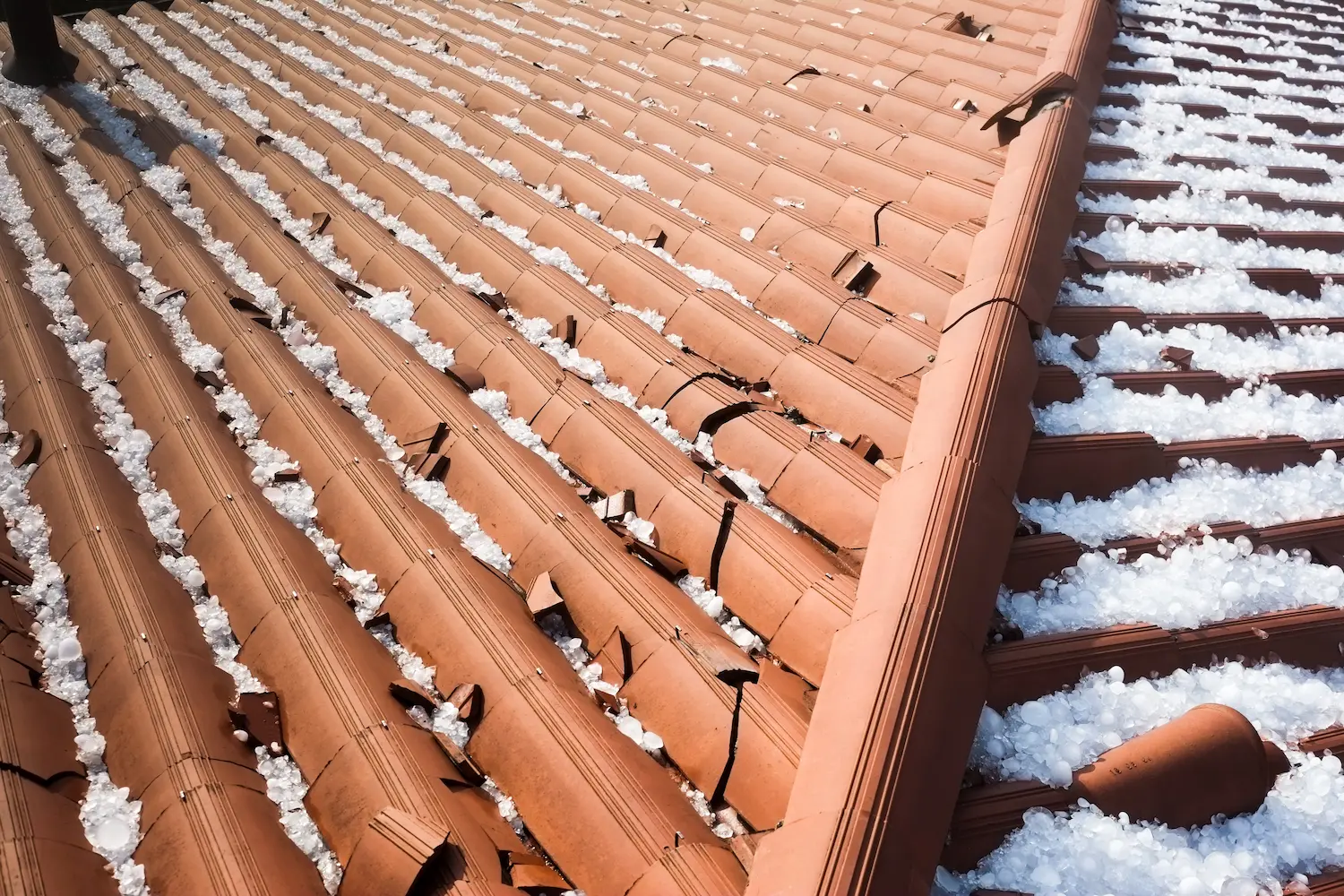
Hail and severe thunderstorms are among the most significant risks along the Front Range. Large hail events can damage roofing, siding, gutters, skylights, windows, and vehicles. Adequate dwelling coverage and roof endorsements are especially important in the Denver metro area.
Wildfire risk continues to grow in Colorado, particularly for properties near open space or foothill areas west of the city. Wind-driven fires and smoke events can cause structural damage and temporary displacement.
Heavy snow and freeze-thaw cycles occur throughout winter. Rapid temperature swings can lead to ice dams, roof stress, frozen or burst pipes, and foundation cracking.
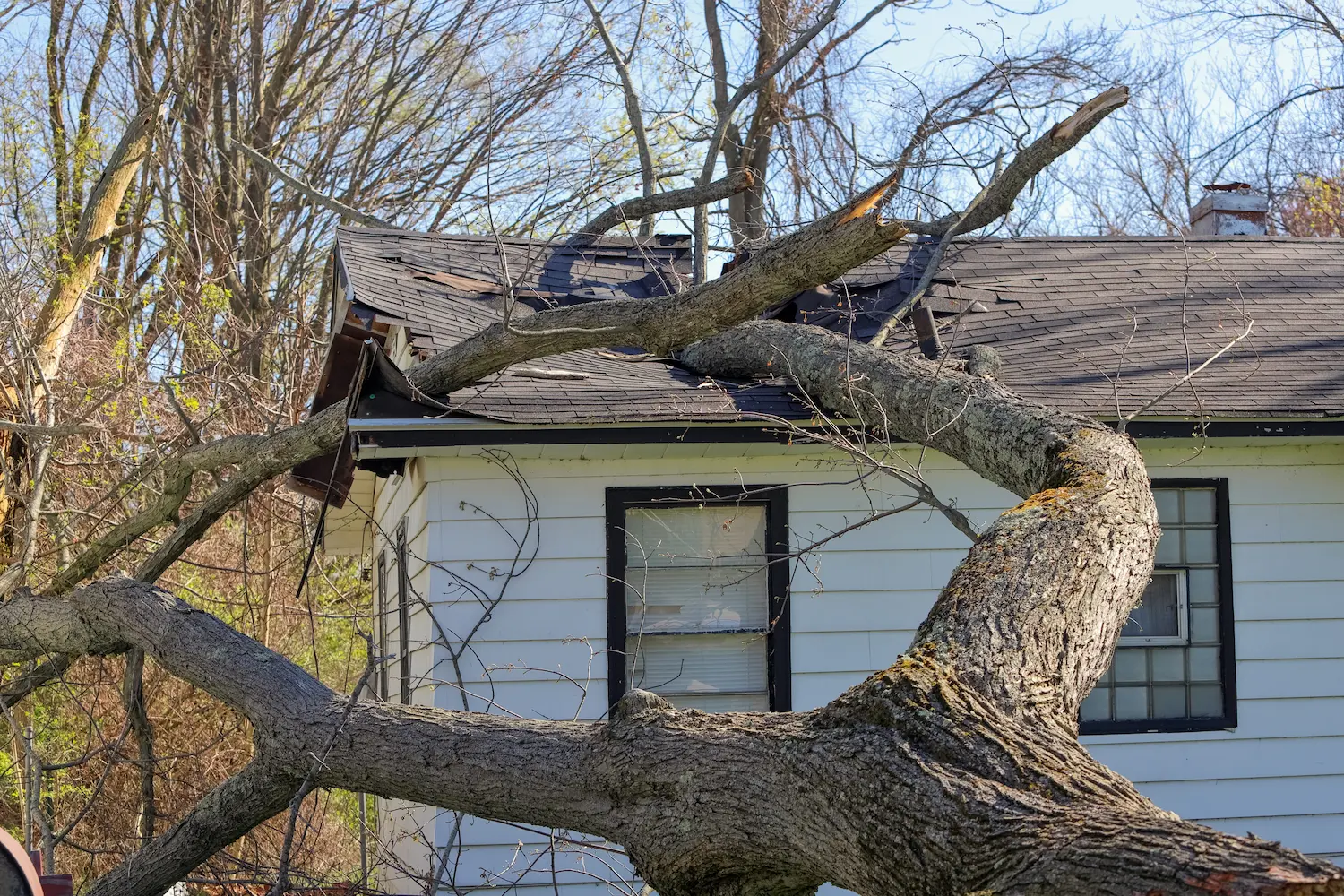
High winds are common along the Front Range. Strong gusts can damage shingles, fencing, siding, and outdoor structures.
Flash flooding and rapid snowmelt can occur during spring storms or intense summer rainfall, particularly in low-lying neighborhoods or near waterways such as the South Platte River. Flood insurance is typically separate from a standard homeowners policy, making it important to understand coverage distinctions.
Wild temperature fluctuations—sometimes shifting 40 degrees or more in a single day—can strain roofing materials, exterior finishes, and mechanical systems.
Understanding these regional risks helps Denver homeowners select coverage that reflects both the area’s desirable lifestyle and its environmental realities. With rising property values, increasing construction costs, and Colorado’s dynamic weather patterns, regular policy reviews ensure your protection keeps pace with market trends and the unique demands of homeownership in Denver.
Homeowners insurance in Denver is built around essential coverage components designed to protect your home, personal belongings, and long-term financial stability. Understanding how each part of your policy works ensures your coverage aligns with your property, lifestyle, and the unique risks of living along Colorado’s Front Range.
Denver features a wide mix of historic homes in established neighborhoods, modern infill properties, suburban developments, luxury residences, and investment properties. With this diversity comes a range of regional risks — including hailstorms, heavy snow, wildfire exposure along the foothills, freeze-thaw cycles, rising construction costs, and increased liability exposure in a growing metro area.
Dwelling coverage protects the physical structure of your home, including attached garages, decks, patios, and built-in features.
In Denver, rebuilding costs can fluctuate due to:
It’s critical that dwelling coverage reflects true replacement cost, not market value. In Denver’s competitive real estate market, property values and construction costs are not the same. Proper limits ensure your home can be fully rebuilt after a covered loss.
Personal property coverage protects belongings inside your home — furniture, electronics, appliances, clothing, and valuables.
Denver homeowners often own high-value items such as:
A comprehensive policy review should include:
Underinsuring personal property is common — especially for homeowners with finished basements, home offices, or valuable recreational equipment.
Liability coverage protects you financially if someone is injured on your property or if you cause damage to someone else’s property.
Denver homeowners may benefit from higher liability limits if they:
Given Denver’s active lifestyle and strong short-term rental market, higher liability limits or umbrella policies are often recommended.
If your home becomes temporarily unlivable due to a covered loss, ALE coverage helps pay for:
In Denver’s tight rental market, temporary housing can be expensive and limited. ALE coverage helps reduce financial strain while repairs are underway.
Medical payments coverage helps cover minor medical expenses if a guest is injured on your property — regardless of fault. This can resolve smaller incidents quickly and potentially prevent larger liability claims.
If you rent part of your property or own an investment home, loss of use coverage can help protect rental income if the space becomes uninhabitable due to a covered loss.
This is especially valuable in Denver, where accessory dwelling units (ADUs), basement rentals, and investment properties are common.
Living in Colorado requires additional insurance considerations.
Denver consistently ranks among the top U.S. cities for hail claims. Roofs, siding, gutters, and windows are particularly vulnerable. Reviewing deductibles for wind and hail damage is critical.
Homes near the foothills or open space face seasonal wildfire exposure. Reviewing wildfire exclusions and ensuring adequate dwelling limits is essential.
Heavy spring rains and rapid snowmelt can overwhelm drainage systems. Water backup coverage helps protect against sewer and drain issues — particularly in homes with finished basements.
Homeowners are typically responsible for underground service lines on their property, including:
Shifting soils and freeze-thaw cycles common in Colorado can damage underground systems.
With cold winters and frequent HVAC use, this coverage protects:
If your home is damaged, rebuilding may require compliance with updated building codes. Ordinance or law coverage helps cover additional costs to bring your property up to current standards — particularly important in older Denver neighborhoods.
Denver’s winter weather can create structural stress. Coverage considerations should include:
Ensuring proper dwelling limits and reviewing policy exclusions is especially important in Colorado’s climate.
Construction costs in Denver continue to rise. Inflation guard automatically adjusts your dwelling limits annually to help prevent underinsurance.
Understanding the claims process helps homeowners respond quickly after property damage.
If your Denver home experiences hail damage, wildfire exposure, frozen pipes, or fire loss, acting quickly can prevent further issues.
Key steps include:
Accurate documentation is especially important for:
Clear evaluation ensures proper claim handling.
At Rocky Mountain Insure, the focus extends beyond issuing policies. The goal is long-term risk management tailored to Denver’s unique environment.
Local risks include:
Personalized service ensures homeowners work with knowledgeable professionals familiar with Colorado’s Front Range conditions.
Denver properties vary widely — from historic bungalows to luxury new builds and suburban homes.
Coverage considerations may include:
Policies should reflect real-world conditions, not one-size-fits-all templates.
Quality homeowners insurance protects against:
Comprehensive protection safeguards home equity and provides peace of mind in Colorado’s dynamic climate.
Step 1: Personalized Consultation
Discuss your home, goals, and budget.
Step 2: Property Evaluation & Risk Review
Assess replacement cost, materials, roof condition, wildfire exposure, and hail risk.
Step 3: Carrier & Coverage Comparison
Review multiple options with clear side-by-side comparisons.
Step 4: Policy Setup
Finalize paperwork and activate coverage.
Step 5: Ongoing Support
Conduct regular reviews and adjust coverage as your needs evolve.
Your home in Denver is one of your most valuable assets. Protecting it requires thoughtful, customized insurance built for Colorado living.
Rocky Mountain Insure provides homeowners insurance solutions tailored to Denver’s housing styles, hail exposure, wildfire risks, and Front Range climate — delivering clarity, local expertise, and dependable protection.
Because the real question isn’t whether you can afford quality homeowners insurance — it’s whether you can afford to be without it.
Contact Rocky Mountain Insure today to explore homeowners insurance options for your Denver, Colorado home and gain the confidence that comes with true protection.